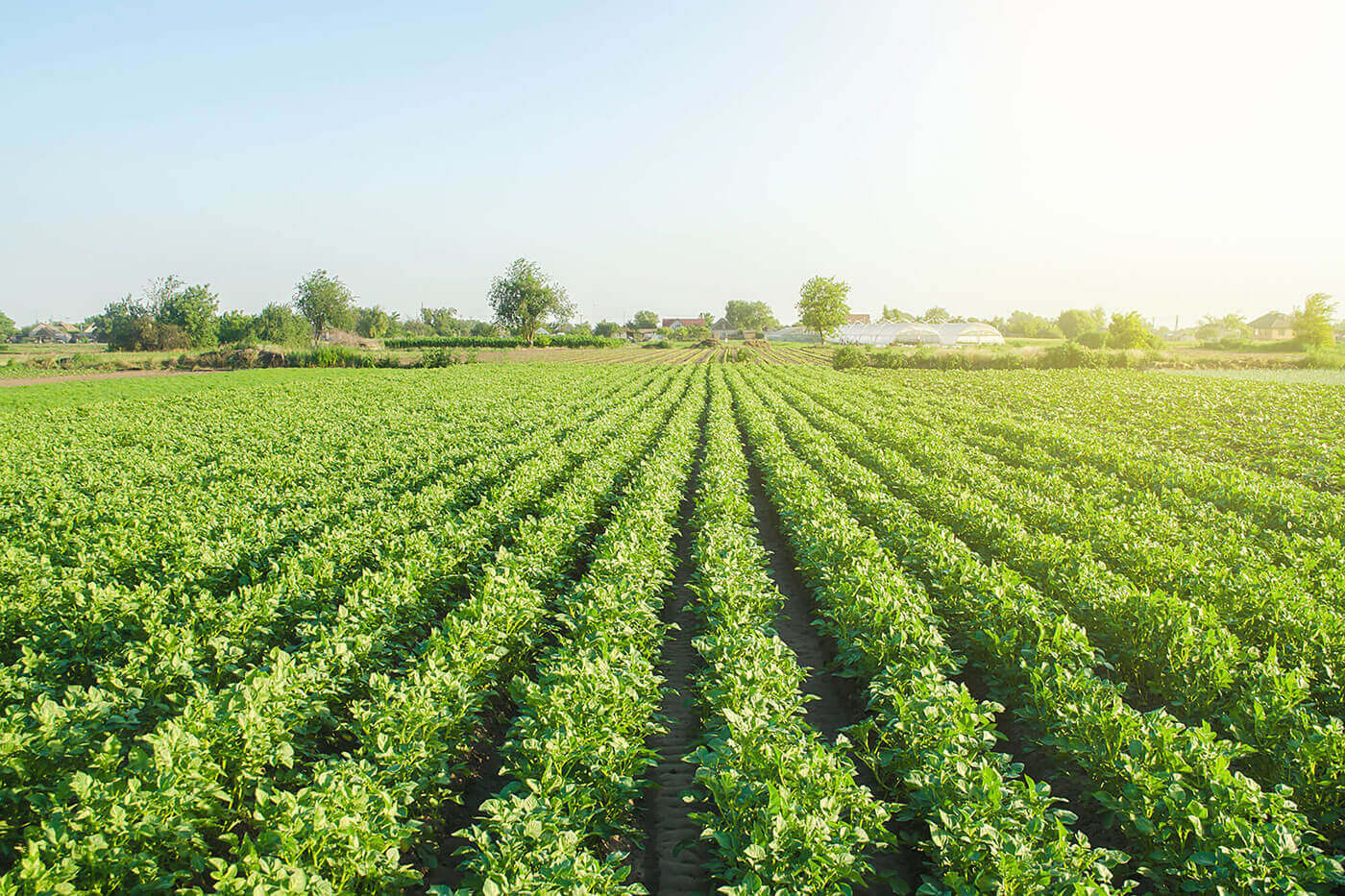




















Kenya’s agricultural sector, which contributes 22.4% to the GDP, is the backbone of its economy. However, food production continues to face significant challenges, resulting in chronic food insecurity for an estimated 10 million citizens. As the country grapples with a growing population, climate change, and limited technological adoption in farming, imports have risen to bridge the gap. In 2021 alone, food imports accounted for 17% of the national import bill, double the percentage from a decade earlier【9】【10】.
Key Challenges in Food Production
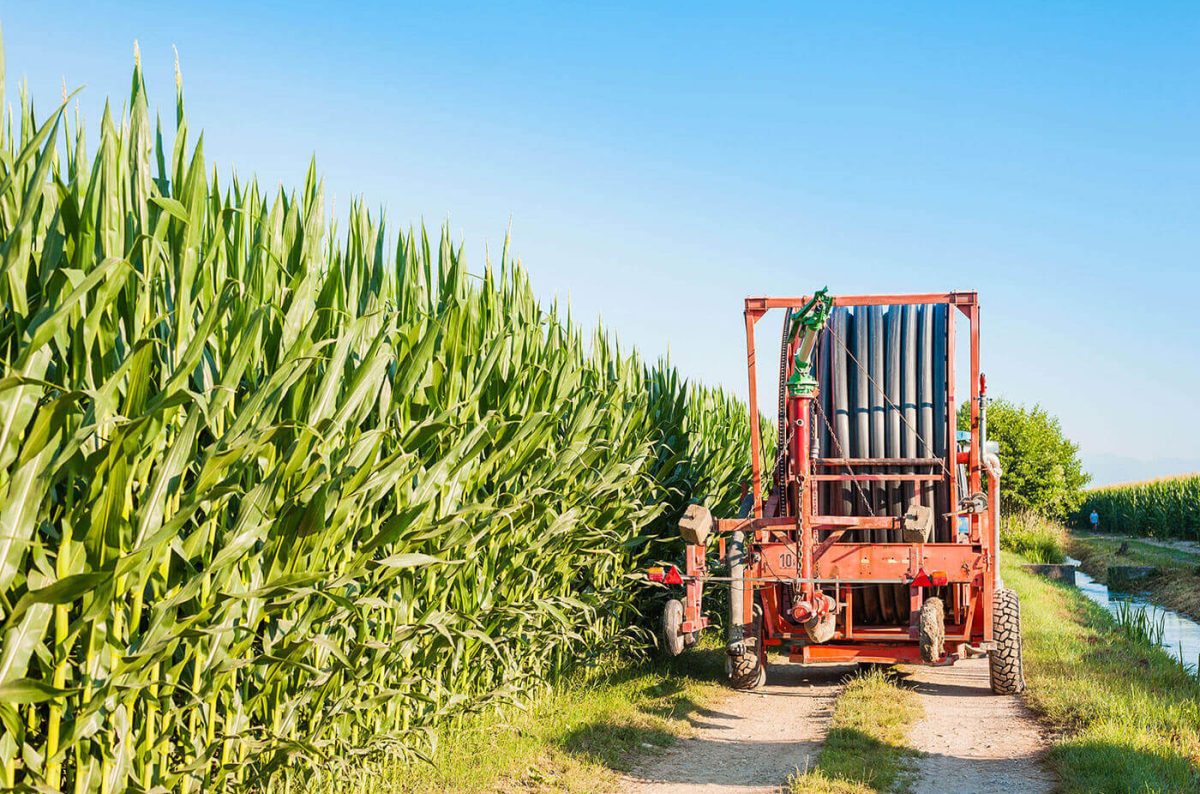
Climate Change: Drought and erratic weather patterns have drastically reduced yields, particularly in maize, Kenya’s staple crop. Additionally, reliance on rain-fed agriculture leaves the sector vulnerable to shifting climate conditions【9】【11】.
Food Loss and Waste: Poor storage facilities and post-harvest losses exacerbate the production gap, with millions of tons of food going to waste annually【10】【11】.
Land Degradation: Overexploitation and deforestation are eroding arable land, reducing its productivity【11】.
Recent Efforts and Policy Interventions
In December 2023, Kenya launched the Food Systems and Land Use Action Plan 2024–2030, addressing issues such as sustainable farming, youth inclusion, and digital innovations. The plan aims to:
Promote regenerative agricultural practices.
Encourage consumption of diverse, nutrient-rich diets, including indigenous crops.
Reduce food waste through better post-harvest management【10】【11】.
Additionally, Kenya’s endorsement of the COP28 declaration on strengthening food systems highlights its commitment to global sustainable development goals【11】.
The Role of Technology
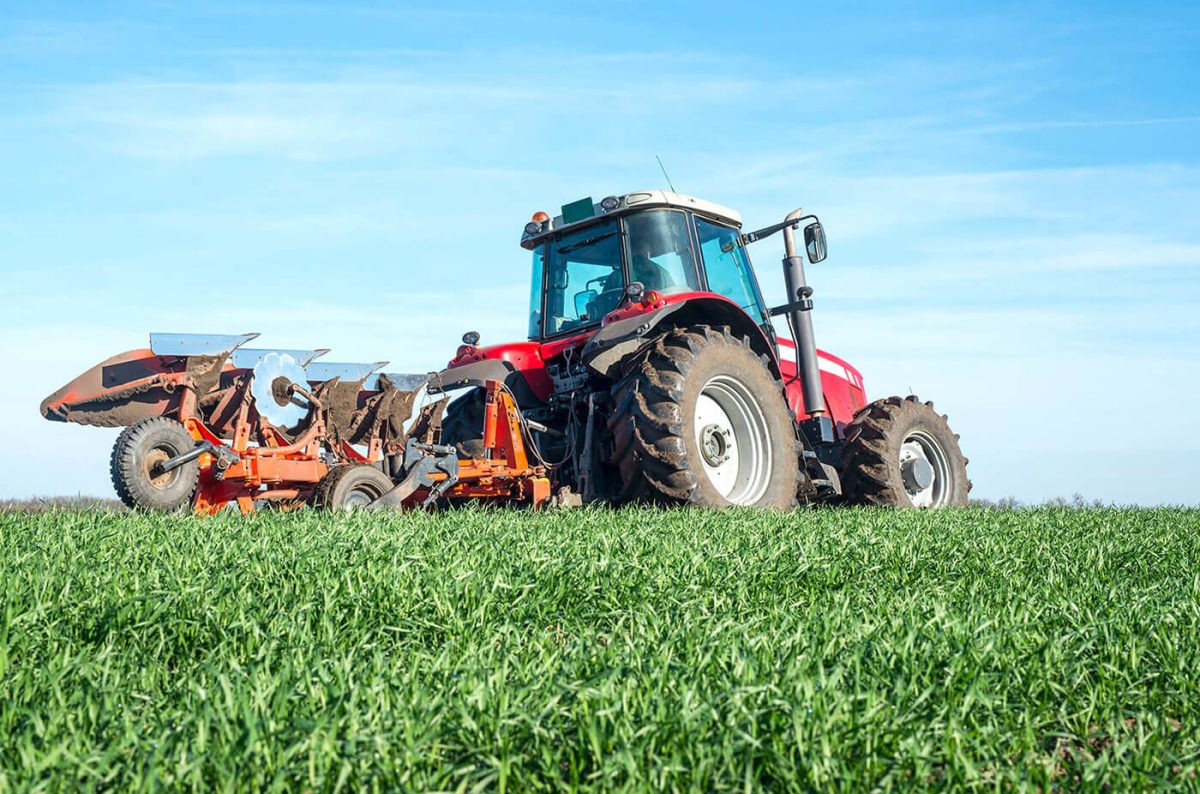
To mitigate production gaps, experts recommend harnessing digital technologies such as precision farming and mobile platforms for market access. These innovations can empower smallholder farmers, who produce 70% of Kenya’s food, by providing real-time data, financing options, and direct access to buyers【10】.
The Way Forward
Kenya’s path to sustainable food production lies in collaborative efforts. Partnerships between government, private sector, and development agencies are essential to implement long-term solutions. By prioritizing investment in agricultural infrastructure, promoting youth participation, and addressing systemic inefficiencies, Kenya can enhance food security and foster resilience against future shocks.
This holistic approach ensures that agriculture not only feeds the nation but also drives its economic transformation.